ChatGPT’s ’80s Photo Trend Is Everywhere: Here’s How to Create Your Own Retro AI Portrait
Social media has found another reason to travel back in time.
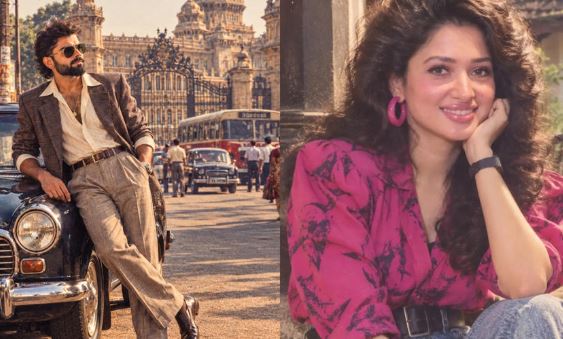
The latest AI craze filling Instagram feeds and Stories transforms ordinary modern photographs into portraits that appear to have been taken sometime in the 1980s. Think voluminous hairstyles, colourful outfits, dramatic jewellery, softly lit studio backgrounds and the slightly grainy texture of an old family photograph.
Known as the ChatGPT ’80s photo trend, the format has become especially popular among Indian users, with many recreating the glamour of vintage Bollywood portraits, wedding albums and old-school photography studios.
But unlike a conventional retro filter, the trend can do much more than change colours or add film grain. AI can redesign the clothing, hairstyle, background, lighting and overall photographic treatment while attempting to keep the person recognisable.
What is the ChatGPT ’80s photo trend?
The concept is simple: take a photograph from today and ask ChatGPT to recreate it as though the picture had been shot four decades ago.
The results often borrow familiar elements from 1980s photography, including big hairstyles, richly coloured sarees or patterned shirts, gold jewellery, warm studio lighting, soft-focus lenses, faded colours and analogue-style grain.
Users can also take the idea in different directions. One photograph might be transformed into a glamorous Bollywood publicity shot, while another could resemble a middle-class Indian family album, a retro wedding portrait or an old photo-studio print.
That flexibility is a major part of the trend’s appeal. Instead of choosing a fixed filter, users can describe the exact decade, clothing, setting and mood they want.
Why are these retro AI portraits going viral?
The trend sits at the intersection of two things social media repeatedly embraces: nostalgia and personalisation.
For younger users, an AI-generated ’80s portrait offers a playful way to imagine themselves in an era they may never have experienced. For older users, the visual language can resemble photographs they remember from family albums, film magazines and photo studios.
It is also highly shareable. Two people can upload similar selfies but receive completely different images depending on whether they request a Bollywood poster look, a family photograph or a glamorous studio portrait.
Previous AI trends demonstrated the same formula: give people a recognisable visual format, allow them to place themselves inside it, and make the result easy to share.
How to make an ’80s-style photo with ChatGPT
Creating one does not require traditional photo-editing skills.
Start by opening ChatGPT and uploading a clear photograph of yourself or the person you want to transform. A reasonably well-lit image where the face is visible usually gives the AI more useful visual information to work with.
Next, describe the transformation you want rather than simply writing “make this look vintage.”
Mention the decade, hairstyle, clothes, accessories, background, lighting and photographic texture. You can also specify that facial features and natural skin tone should remain recognisable.
ChatGPT currently supports editing uploaded images through ChatGPT Images, allowing users to describe changes conversationally and continue refining an image with additional instructions.
If the first result is not quite right, there is no need to abandon the idea. Ask for targeted changes such as less dramatic hair, more realistic film grain, different clothing, softer lighting or a simpler background.
A detailed prompt you can try
For an Indian cinema-inspired result, try:
“Transform this photograph into a realistic 1980s Indian studio portrait. Preserve the subject’s recognisable facial features and natural skin tone. Give them period-appropriate clothing, voluminous 1980s hair and elegant vintage accessories. Use warm studio lighting, gentle soft focus, slightly faded film colours and subtle analogue grain. The final image should look like a genuine photograph captured in India during the 1980s rather than a modern image with a simple vintage filter.”
The important part is not the exact wording. It is the amount of visual information you provide.
Try these alternative ’80s looks
For a family-album aesthetic, ask for modest period clothing, a simple home or studio background, natural poses, flash photography and slightly faded print colours.
For a Bollywood glamour portrait, request dramatic hair, elegant sarees or vintage suits, statement jewellery, cinematic lighting and a polished studio backdrop.
For a Western ’80s studio look, try bold makeup, teased hair, denim or colourful jackets, coloured studio lights and the soft-focus glamour photography associated with the decade.
You can also request an old wedding photograph, college portrait, music-album cover or street-fashion image while keeping the same retro photographic language.
The secret to getting better AI portraits
Specific instructions usually give you more control.
Instead of saying:
“Make this an ’80s photo.”
Describe the photograph almost as if you were briefing a photographer:
“1986 Indian photography studio, warm tungsten lighting, maroon studio backdrop, shoulder-length feathered hair, embroidered outfit, gold jewellery, subtle film grain, natural skin texture and slightly faded colour print.”
Details such as the approximate year, type of camera look, lighting, clothing and setting help define what “1980s” means for your particular image.
It is also useful to tell the AI what not to do. For example, you can request no exaggerated sepia effect, no artificial ageing, no cartoon appearance and no major changes to facial structure.
A retro trend powered by modern AI
Perhaps the biggest irony of the trend is that some of today’s most advanced image-generation technology is being used to imitate photographs produced by much older cameras.
ChatGPT can now generate and edit images directly within conversations, including uploaded pictures, and users can continue requesting adjustments after the first version is created.
That makes trends like the ’80s portrait more interactive than traditional filters. Instead of choosing between a handful of presets, the user effectively becomes the creative director.
And while today’s viral aesthetic happens to involve big hair, film grain and vintage Bollywood glamour, the same technique can be adapted to almost any visual era.
The 1990s, early 2000s—or perhaps an imagined version of 2050—could be only another prompt away.